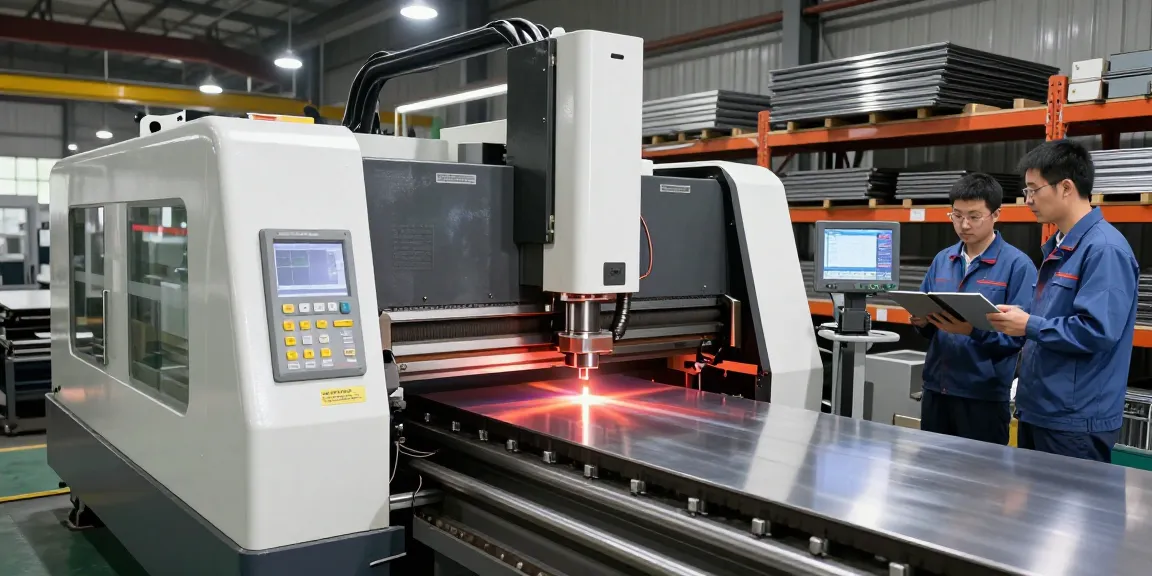
Understanding CNC Press Brake Machine Technology
The CNC press brake machine is a cornerstone of modern metal fabrication, integrating advanced technology with mechanical precision. Serving industries from automotive to aerospace, these machines enable manufacturers to produce high-quality bent metal components efficiently and accurately. Through computer numerical control (CNC) technology, operators can achieve precision that traditional machines could only dream of. This article will explore the multifaceted world of CNC press brake machines, highlighting their components, applications, and advanced features, with a specific focus on SC SHENCHONG’s WEK series hydraulic CNC press brake machines. When exploring options, cnc press brake machine offerings provide comprehensive insights into available technology and options for manufacturers.
What is a CNC Press Brake Machine?
A CNC press brake machine is a sophisticated tool that utilizes computer technology to control the bending of sheet metal. Essentially, it combines electro-hydraulic mechanisms with CNC systems to precisely manipulate the angle and position of the metal being bent. This advanced integration allows for consistent and repeatable bending processes, crucial for manufacturing large quantities of components in various industries.
How Does CNC Technology Improve Accuracy?
CNC technology enhances accuracy by using computerized control systems that precisely calculate the bending parameters. This includes real-time feedback mechanisms which allow adjustments on the fly, ensuring that each bend meets stringent specifications. For instance, the WEK series hydraulic CNC press brake can achieve an accuracy of ± 0.01mm due to its closed-loop control system, making it a standout choice for precision applications.
Key Components of CNC Press Brake Machines
- CNC Controller: This is the brain of the machine, where user inputs are processed into commands that control the bending operations.
- Hydraulic System: Utilizing hydraulic fluids to generate force, the hydraulic system provides the necessary power for bending, enabling operations ranging from simple to complex bends.
- Backgauge System: This component ensures precise positioning of the sheet metal as it moves into place for bending, enhancing overall accuracy.
- Crowning Mechanism: A crucial feature that compensates for table deflection during bending, ensuring consistent results across different bends.
Applications of CNC Press Brake Machines in Industry
The versatility of CNC press brake machines allows them to be employed across numerous sectors. Their applications not only improve productivity but also enhance the quality of metal products produced.
Metal Fabrication and Manufacturing
In general manufacturing, CNC press brake machines are essential for producing components from sheet metal, including brackets, panels, and frames. Their ability to perform precise and complex bends streamlines the production process, enabling high-output manufacturing.
Aerospace and Automotive Industries
In the aerospace sector, CNC press brakes are crucial for fabricating components that must meet stringent safety and reliability standards. The automotive industry also benefits from their ability to create custom parts with high precision, aiding in both production efficiency and quality control.
Significance in Electrical Engineering
CNC press brakes are increasingly significant in electrical engineering, especially in the production of enclosures and mounting brackets for electronic equipment. The combination of accuracy and adaptability accommodates the unique dimensional requirements of electrical systems.
Advanced Features of SC SHENCHONG CNC Press Brake Machines
SC SHENCHONG’s CNC press brake machines showcase several advanced features that enhance performance and usability.
Innovations in Control Systems
The ESA S630 CNC control system featured in the WEK series allows operators to control multiple axes with ease. This integrated system supports various programming methods, including data programming and graphical software tools that simplify complex bending operations.
Benefits of Hydraulic Proportional Valves
Hydraulic proportional valves adjust the hydraulic pressure in real-time, facilitating smooth and accurate bends without the jerkiness that can accompany traditional hydraulic systems. This feature is particularly beneficial for achieving fine tolerances in complex bending tasks.
Automation and Future Trends
As automation becomes increasingly vital, SC SHENCHONG is at the forefront by integrating robotic solutions with their press brakes. This forward-thinking approach not only enhances production efficiency but also minimizes labor risks by automating repetitive and hazard-prone processes.
Comparative Analysis: CNC Press Brake Types
Different types of CNC press brakes offer distinct advantages tailored to specific manufacturing needs.
Benefits of Hydraulic vs. Mechanical Press Brakes
Hydraulic press brakes like those from SC SHENCHONG provide superior force and versatility compared to mechanical models. They can handle more complex bends and heavier materials, while mechanical press brakes typically operate faster but may lack some flexibility.
Servo Hybrid Press Brake vs. Traditional Models
Servo hybrid press brakes offer significant advantages in energy efficiency and noise reduction, positioning themselves as the go-to choice for modern manufacturers focused on sustainable practices. They utilize dual servo motors and separate oil tanks to minimize energy consumption while maintaining optimal performance.
Unique Features of Robotic Press Brake Machines
Robotic press brakes represent a revolutionary step in manufacturing, allowing for seamless integration with industrial robots. This system enhances the flexibility of production lines, permitting rapid changes in production without significant downtime.
Enhancing Production Efficiency with CNC Technology
Maximizing productivity is essential for competitive manufacturing. Below are key strategies that leverage CNC technology’s capabilities.
Implementing Best Practices in Operation
Utilizing best practices in machine operation, such as routine maintenance and operator training, contributes to maintaining high efficiency and machine longevity. Furthermore, understanding the full capabilities of the CNC system can lead to innovative workflows that save time and reduce errors.
Cost Considerations and Price Ranges
When investing in CNC press brake machines, companies should consider not only the upfront costs, which typically range from $20,000 to $45,000 per set, but also the long-term savings derived from efficiency and precision. Understanding the total cost of ownership is essential for ensuring a strong return on investment.
After-Sales Support and Service Quality
The importance of after-sales support cannot be overstated. Reliable customer service, prompt technical support, and readily available spare parts contribute significantly to maintaining operational uptime. SC SHENCHONG is known for its robust after-sale service, which ensures that clients can quickly resolve any issues.
FAQs
What makes CNC press brake machines efficient?
CNC press brake machines are efficient due to their high precision, reduced manual input, and the ability to run complex processes smoothly, minimizing waste and increasing throughput.
How can I choose the right CNC press brake machine for my needs?
Choosing the right machine depends on several factors, including the material types, thickness, bending angles required, and the volume of production. Consulting with experienced manufacturers like SC SHENCHONG can guide you to the best model for your specific applications.
What industries primarily use CNC press brake machines?
Major industries that utilize CNC press brake machines include automotive, aerospace, electrical equipment, and general metal fabrication, given their need for high precision, reliability, and efficiency in production.