The Fundamentals of Image to Image AI
In the digital age, artificial intelligence continues to revolutionize the way we create and interact with visual content. One of the most exciting developments in this field is image to image ai, which leverages deep learning algorithms to transform one image into another. This technology has gained significant traction due to its ability to generate stunning images based on user-defined parameters, opening new avenues for creativity and efficiency.
What is Image to Image AI?
Image to image AI refers to a subset of artificial intelligence techniques that manipulate images based on various inputs. This technology operates primarily on convolutional neural networks (CNNs), a type of deep learning model specifically designed to process pixel data. By training these models on vast datasets, they can learn to interpret and recreate images with astonishing accuracy. The underlying principle is straightforward: given an input image, the AI produces a corresponding output image that meets certain criteria or styles.
How Image to Image AI Transforms Visual Content
The transformation capabilities of image to image AI are truly groundbreaking. For instance, artists and designers can use this technology to experiment with different artistic styles, enhancing traditional works with modern twists. This not only saves time but also allows for a degree of exploration that was not feasible with conventional methods. Additionally, businesses can utilize image to image AI to generate product images, adapt marketing materials swiftly, and create personalized visual experiences for their customers.
Key Technologies Behind Image to Image AI
Several key technologies underpin the functionality of image to image AI. At the forefront is Generative Adversarial Networks (GANs), which consist of two neural networks — a generator and a discriminator. The generator creates images, while the discriminator evaluates their authenticity against real images. This competition leads to improved output quality over time. Other technologies include style transfer algorithms, which allow users to apply specific artistic styles to a base image, and autoencoders, which help in compressing and reconstructing image data.
Applications Across Industries
Image to image AI is not limited to a specific domain; its applications span across multiple industries, each benefiting in unique ways.
Image to Image AI in Graphic Design
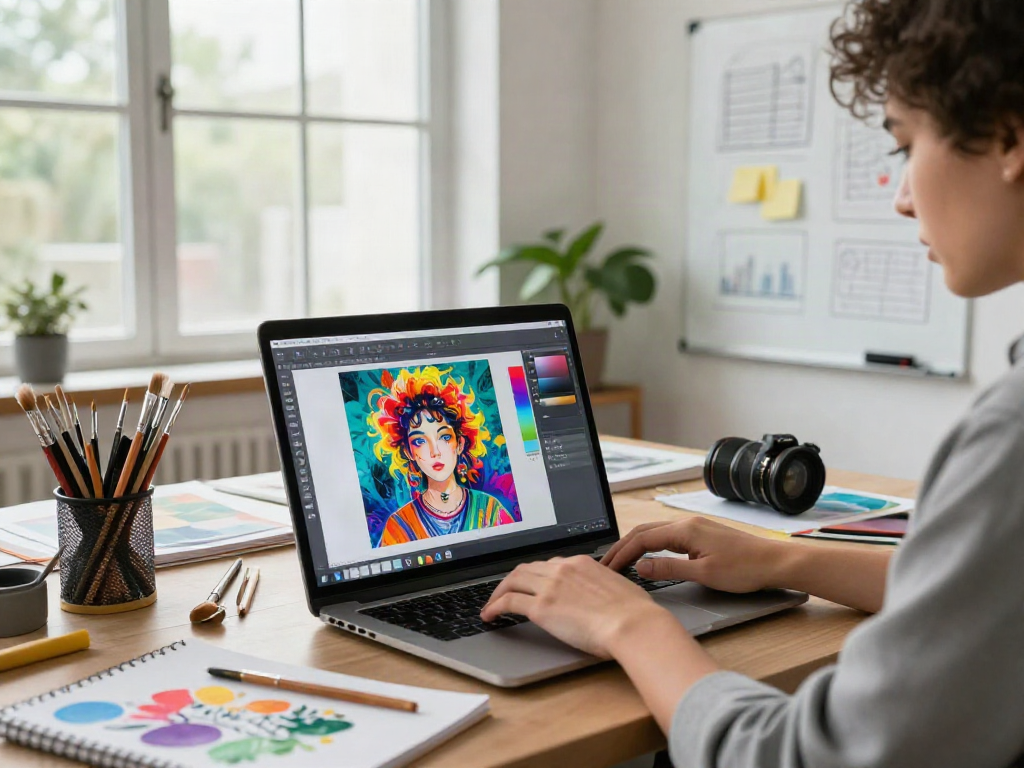
In graphic design, image to image AI tools have become invaluable. Designers can generate variations of logos, create marketing graphics, and even modify photographs with minimal effort. The intuitive interfaces of many AI tools allow designers to focus on creativity rather than repetitive tasks, enabling quicker turnaround times and fostering innovation.
Utilizing Image to Image AI in E-Commerce
E-commerce platforms are increasingly integrating image to image AI to enhance customer engagement. By providing automated background removal, style transfer for product photos, and even virtual try-on features, businesses can improve the shopping experience. Customers can visualize products better, leading to higher conversion rates and satisfaction.
Advancements in Image to Image AI for Marketing
Image to image AI is reshaping marketing strategies by enabling personalized content generation. Marketers can swiftly create targeted imagery for campaigns, leveraging customer data to tailor visuals that resonate. This adaptability not only enhances brand communication but also allows for real-time engagement, maximizing the impact of marketing efforts.
Challenges and Limitations of Image to Image AI
Despite its many advantages, image to image AI faces several challenges that must be navigated for effective implementation.
Common Misconceptions About Image to Image AI
There are several misconceptions surrounding image to image AI. Many believe that AI can fully replace human creativity, which is not the case. AI excels at generating variations and adaptations but lacks the ability to understand context, emotions, or cultural nuances that a human artist would naturally incorporate. Understanding this limitation is crucial for integrating AI into creative processes without diminishing the value of human input.
Technical Barriers and Solutions
Technical barriers such as the need for substantial computational power and high-quality training datasets can hinder the deployment of image to image AI in smaller organizations. However, advancements in cloud-based solutions and accessible AI platforms are lowering these barriers, making it easier for all businesses to harness this technology.
Ethical Considerations in AI-Generated Images
Ethical concerns also arise with image to image AI, particularly regarding copyright and consent. Users must navigate the complexities of ownership when using AI-generated content. Furthermore, the potential for generating misleading or harmful images raises questions about accountability, which the industry must address as technology continues to evolve.
Best Practices for Integrating Image to Image AI
To leverage the full potential of image to image AI, organizations should adopt best practices that enhance effectiveness and sustainability.
Choosing the Right Tools for Image to Image AI
Selecting appropriate tools is critical for successful integration. Organizations should evaluate various platforms based on their specific needs, considering factors such as user-friendliness, customization options, and the availability of support. Tools like DeepArt, Runway ML, and Daz 3D are examples worth exploring depending on project requirements.
Strategies for Successful Implementation
A successful rollout of image to image AI requires thoughtful planning. Organizations should start small, pilot projects to understand user interaction and areas for improvement. Training sessions for staff can also facilitate smoother adaptation, ensuring that teams are equipped to leverage the technology effectively.
Measuring Success: Metrics and Indicators
To assess the impact of image to image AI, businesses should establish clear metrics. Key performance indicators (KPIs) may include increased engagement rates, shortened development cycles, and feedback from both customers and employees. Regular assessments can help fine-tune processes and improve outcomes.
Future Trends in Image to Image AI
The landscape of image to image AI is rapidly evolving, with numerous trends expected to shape its future.
Predictions for Image to Image AI in 2026
By 2026, we anticipate that image to image AI will continue to advance significantly. Improved algorithms will enhance image quality and expand creative possibilities. As these tools become more widely adopted, we may see an increase in collaborative projects between AI and human artists, leading to hybrid forms of creative output.
Emerging Features and Capabilities
Future developments could include enhanced personalization features that allow users to input unique parameters, leading to more tailored outputs. Additionally, real-time editing capabilities may become commonplace, allowing users to see changes as they happen, significantly streamlining workflows.
Industry Expert Insights and Perspectives
Experts in the field predict that the integration of image to image AI will not only be a trend but a standard practice across multiple sectors. Collaborations between tech companies and creative professionals will foster innovation, driving the development of tools that meet the evolving needs of users. As the technology matures, businesses that embrace it early will gain a competitive edge.
What industries benefit most from Image to Image AI?
Industries such as fashion, advertising, and entertainment stand to benefit immensely from image to image AI. These sectors thrive on visual appeal and continue to seek innovative solutions to engage audiences effectively. By harnessing this technology, companies can create more impactful campaigns and products.
How can small businesses leverage Image to Image AI?
Small businesses can utilize image to image AI in cost-effective ways, such as by automating social media content creation or generating promotional materials. The ability to quickly adapt visuals to different platforms can enhance brand visibility without requiring extensive resources.
What are the most popular tools for Image to Image AI?
Some of the most popular tools for image to image AI include DeepArt, Artbreeder, and Runway ML. These platforms offer various functionalities that cater to different creative needs, from art generation to video editing.
Can Image to Image AI replace traditional graphic design?
While image to image AI significantly enhances graphic design capabilities, it is unlikely to replace traditional methods entirely. Human designers bring creativity, intuition, and emotion to their work, aspects that AI cannot replicate. Instead, AI should be viewed as a complementary tool, expanding designers' capabilities rather than replacing them.
How does Image to Image AI handle ethical issues?
Addressing ethical issues surrounding image to image AI involves establishing clear guidelines on copyright and usage rights. Increased awareness among users about the implications of AI-generated content is essential. Additionally, developing standards for accountability will be crucial as the technology becomes more mainstream.