Understanding Electronic Wristband Access Control
In the ever-evolving landscape of event management, the integration of technology has become paramount. One such innovation that has revolutionized how organizers manage access and streamline operations is the use of electronic wristbands. Control de acceso con pulsera electrónica has introduced smart solutions that not only enhance the visitor experience but also elevate the operational efficiency of events. This article delves deep into the benefits, features, and future trends of electronic wristband access control in 2026.
What is Electronic Wristband Access Control?
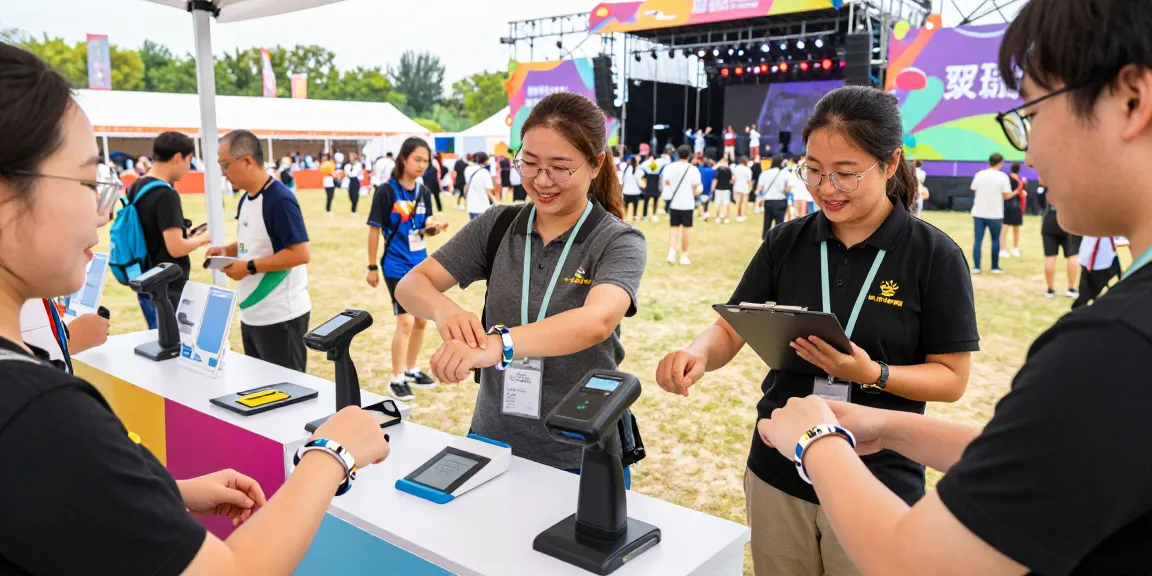
Electronic wristband access control utilizes Near Field Communication (NFC) or Radio Frequency Identification (RFID) technology to grant attendees entry to events. These wristbands are embedded with chips that communicate with readers at entry points, allowing for seamless access without the need for paper tickets or manual checks. With this system, events can experience faster entry times, improved security, and enhanced attendee satisfaction.
Benefits of Using NFC Technology for Events
NFC technology significantly transforms how events manage access and transactions. Some of the key benefits include:
- Speed and Efficiency: With the ability to process over 2,000 entries per hour, NFC wristbands eliminate long queues and improve the flow of attendees.
- Enhanced Security: Each wristband is unique and can be tracked in real time, reducing the risk of unauthorized access.
- Cashless Transactions: Integration with payment systems allows attendees to make purchases quickly without carrying cash.
How Electronic Wristbands Enhance Security
Security is often a major concern for event organizers, and electronic wristbands provide a multi-layered approach to ensure safety. With real-time monitoring capabilities, event managers can track attendance patterns and identify potential security breaches instantly. Furthermore, lost or stolen wristbands can be deactivated immediately, rendering them useless and protecting both the event and its attendees.
Key Features of NFC Wristbands for Events
Rapid Entry Processing with RFID Technology
One of the standout features of NFC wristbands is their rapid entry processing capabilities. By using RFID technology, events can implement a system that minimizes wait times and enhances the overall experience for attendees. This fast processing means that organizers can manage large crowds more efficiently, making it ideal for festivals and large conferences.
Real-time Attendance Tracking and Monitoring
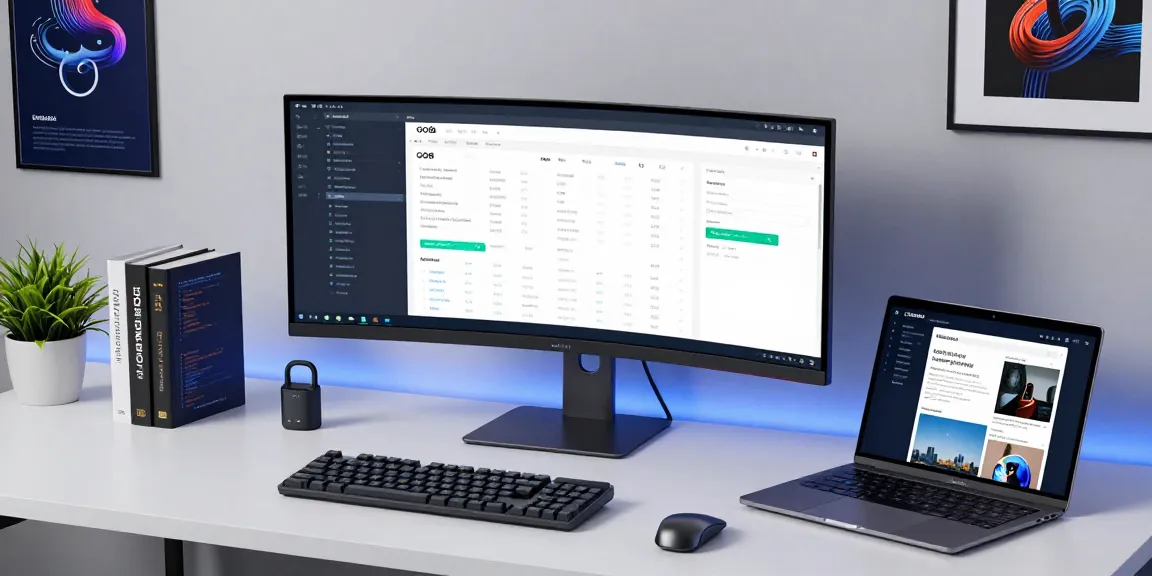
Electronic wristbands provide organizers with powerful tools for real-time attendance tracking. This feature allows event managers to monitor crowd densities, providing insights that can help optimize logistics and improve safety protocols during the event. With a centralized cloud panel, managers can visualize data and make informed decisions on the fly.
Integration with Cashless Payment Systems
Integrating cashless payment systems into electronic wristbands can increase sales and reduce transaction times at food and merchandise stalls. Attendees can preload their wristbands with funds, allowing them to make purchases seamlessly. This not only enhances the user experience but can also boost vendors’ revenues by up to 30% due to quicker service and reduced wait times.
Successful Case Studies and Testimonials
SoundWave Festival: A Smooth Entry Experience
The SoundWave Festival witnessed a transformative change in its operational efficiency through the implementation of electronic wristbands. As noted by Marcos Torné, the director of the festival, “The system was impeccable. We managed the entry of 40,000 attendees without queues at the main access points. It was a total game-changer for our logistics team.”
TechCon Global: Streamlined Operations and Reporting
At TechCon Global, the move to a cashless wristband system simplified operational processes significantly. Elena Rodríguez, operations manager, stated, “The cashless experience was incredibly easy. Reports that previously took us days to compile can now be exported in seconds when the event closes.” This efficiency not only saves time but also allows for more accurate data collection and analysis.
Lessons Learned from Major Events
Major events that have adopted electronic wristbands have shared valuable insights. The ability to monitor attendance and purchases in real-time has proven essential for enhancing security measures and improving overall visitor satisfaction. Organizers are encouraged to take this data-driven approach into account when planning their future events.
Best Practices for Implementing Electronic Access Control
Choosing the Right Technology for Your Event
When considering an electronic wristband system, event organizers should evaluate various vendors and technologies based on their specific needs. Key factors include processing speed, integration capabilities with other systems, and customer support. Choosing the right technology can fundamentally influence the event’s success.
Training Staff for Efficient Operations
Staff training is critical for the effective implementation of electronic access control. Organizers should conduct comprehensive training sessions that cover how to operate the wristband systems, handle technical issues, and ensure smooth operations during peak times. Well-prepared staff are essential for delivering an exceptional attendee experience.
Monitoring and Analyzing Event Data
Post-event analysis is crucial for understanding the efficacy of access control systems. Organizers should monitor key metrics, including entry processing times, total sales through wristbands, and attendee feedback. This information will help in refining processes for future events and enhancing the value of data analysis as a tool for decision-making.
Looking Ahead: The Future of Event Access Control in 2026
Emerging Trends in NFC Technology
The future of event access control is bright, with several emerging trends. Predictive analytics using attendee data is becoming more prevalent, allowing organizers to anticipate crowd movements and prepare accordingly. Furthermore, advancements in biometric technology may lead to enhanced security measures, with features like fingerprint and facial recognition potentially integrated into wristbands.
Innovative Features on the Horizon
Future innovations may include augmented reality experiences linked to wristband usage, creating interactive environments that engage attendees on a deeper level. These enhancements will not only improve attendee experience but also provide organizers with valuable insights into behavior patterns.
Preparing for Larger Events and Festivals
As events continue to grow in size and complexity, organizers must prepare for larger crowds. Scalability will be a critical factor in choosing access control solutions. By investing in systems that can easily adapt to increased demand without sacrificing performance, organizers can ensure a smoother and more enjoyable experience for all.
How does electronic wristband access control improve event management?
Electronic wristbands streamline access control and enhance operational efficiency, allowing event managers to focus on providing a memorable experience rather than being bogged down by logistical challenges.
What are the cost benefits of using NFC technology?
Implementing NFC technology can lead to significant cost savings, including reduced staffing needs for entry points and increased revenue from cashless transactions, ultimately leading to higher overall profitability.
Can electronic wristbands enhance attendee security?
Yes, electronic wristbands enhance security by providing real-time tracking, allowing for immediate responses to potential security breaches and preventing unauthorized access.
What are the key metrics to measure success after the event?
Success can be measured through various metrics, including the speed of entry processing, sales per attendee, and attendee satisfaction scores, providing insights for future improvements.
How can organizers prepare for shifts in event access technology?
Organizers should stay informed on technological advancements and trends by attending industry conferences and engaging with technology providers to ensure they are always equipped with the best tools for event management.